
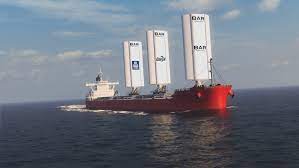
In the bustling world of maritime innovation, a new breeze is sweeping through, and it carries the promise of sustainable voyages. The Pyxis Ocean, an exemplary member of the Cargill fleet, has embarked on an extraordinary journey—one marked by a pioneering wind propulsion system known as WindWings. As we navigate this captivating tale, let’s explore the marvels and potential pitfalls of harnessing the power of the wind to reduce emissions and fuel consumption in the shipping industry.
Yet, as we hoist our sails of optimism, we must also heed the sirens of caution. Retrofitting large ships with retractable wind sails is not without its challenges, especially in the realm of stability. Imagine balancing a massive sail atop a colossal ship as it faces tumultuous waves and fierce winds. Ensuring the structural integrity and operational safety of these vessels will require meticulous engineering and design.Additionally, the Pyxis Ocean’s maiden voyage, equipped with WindWings, marks only the start of an ambitious journey. The performance of these innovative sails will undergo careful scrutiny over the coming months to refine their design, operation, and efficiency.
Achieving widespread adoption of wind sail technology across the maritime industry, from cargo ships to passenger liners, is a vision that we must work toward with diligence and determination.As John Cooper rightly pointed out, international shipping’s ambition to reduce CO2 emissions hinges on innovation. Wind propulsion offers a near marginal cost-free fuel source, promising significant efficiency gains and a tangible reduction in emissions.
The question remains, can this technology weather the challenges and uncertainties of the open sea and deliver on its green promises?The horizon is indeed promising, with plans underway to construct hundreds more WindWings in the next four years. Each one of these represents a step toward greener shipping, co-funded by the EU as part of the CHEK Horizon 2020 initiative. This project will play a pivotal role in retrofitting older vessels and aligning the maritime industry with today’s climate goals.Jan Dieleman, President of Cargill’s Ocean Transportation business, echoes the sentiment that the maritime industry is embarking on an exciting yet challenging journey to decarbonize. As pioneers in this field, they are willing to invest, take risks, and share their learnings transparently to guide the industry toward a more sustainable future.
So, there you have it—a tale of innovation, hope, and a touch of caution. Wind sail technology is a breath of fresh air for the shipping industry, but it must navigate the complexities of stability, engineering, and sea-worthy adoption. As we set our course, may the winds be fair, the seas gentle, and the sails of sustainability full and prosperous.Fair winds and a sustainable future to all those who dare to dream and navigate the sea of possibilities!
The review is based on an article by Daniel Face, and it’s sourced from The Business Magazine. So, Mr. Daniel Face and The Business Magazine, fair winds to your continued coverage of innovative maritime technology; https://thebusinessmagazine.co.uk/technology-innovation/hampshires-bar-technologies-trials-wind-propulsion-sails/ Charlie de Carbon
Leave a comment