
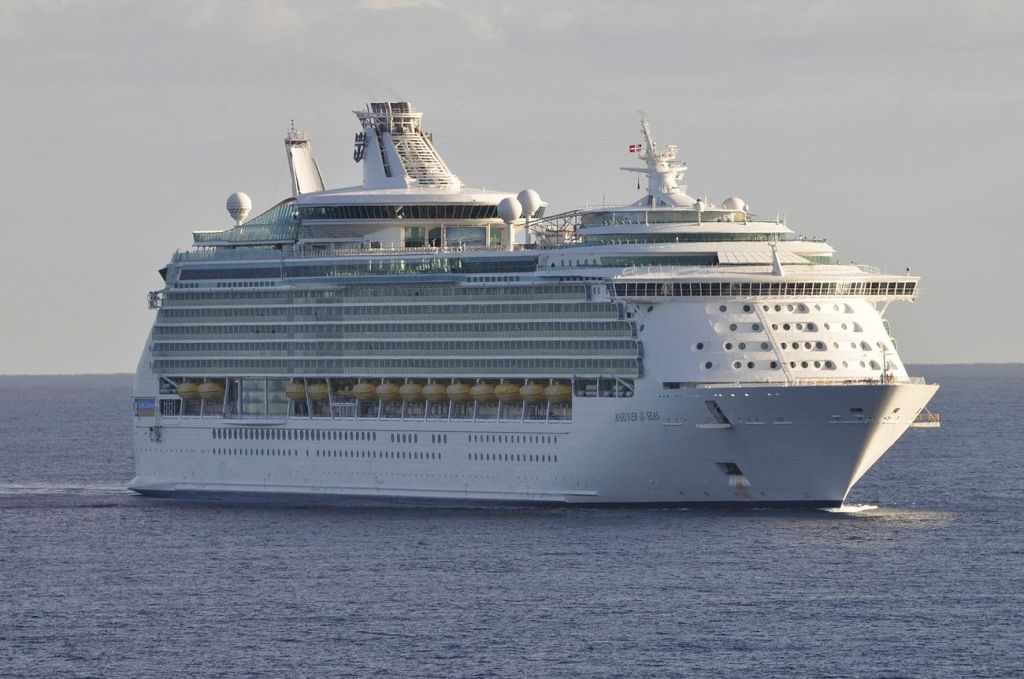
As we stand on the precipice of environmental reform, the contrast between the verdant shores of Southern England and the daunting pollution statistics from our bustling ports could not be starker. Particularly for us—naval architects and marine engineers dedicated to pioneering decarbonization in maritime industries—this issue hits home with the force of a rogue wave. The latest investigative piece from The Observer, written by Ben Webster, Lucas Amin, and Jon Ungoed-Thomas, casts a revealing light on the shadowy practices of cruise ships docked along the UK coast (“Cruise ships polluting UK coast as they ignore greener power options,” available via The Guardian, November 2023).
The report draws attention to an unsettling trend at Southampton, Britain’s largest cruise port: the underutilization of “zero emission” onshore power facilities by visiting liners. Despite the availability of cleaner power options, these leviathans of the sea often continue to rely on marine gas oil or LNG—a choice that emits a noxious cocktail of pollutants into the air we breathe.
The implications of this are profound. Not only does this practice contribute to the already significant environmental footprint of cruise tourism, but it also undermines the very efforts of professionals like us who are working tirelessly to steer the shipping industry toward a more sustainable future.
We know the technology exists for cleaner operations—ships can, and some do, plug into low-carbon electricity when docked, drastically reducing their emissions. Yet, the article uncovers a reluctance rooted in financial considerations; onshore power comes with a price tag that the cruise companies seem unwilling to pay.
So, where do we sail from here? We must forge a future where onshore power is not an expensive luxury but the standard. For that to happen, we need a combination of innovative solutions:
- Incentivization of Green Practices: Port authorities could offer reduced port fees for ships using onshore power or levy fines on those that don’t, creating a financial push towards greener practices.
- Mandatory Transparency: If ships were required to disclose their choice of power source during docking, public and regulatory pressure could drive change.
- Retrofitting Support: Financial and technical assistance for retrofitting older ships to use onshore power can accelerate the transition.
- Local Leadership: Entities like Maritime Solent must amplify their efforts, leveraging public funding and influence to catalyze industry-wide shifts towards sustainability.
Through the lens of The Observer’s piercing reportage, we see that the road to decarbonization is fraught with resistance. Yet, as stewards of our seas and champions of innovation, it’s our call to action to ensure that the ships gracing our ports leave nothing behind but the gentle ripples of progress.
In unity with global ports like Venice, Amsterdam, and Barcelona, which have taken a stand against pollution by banning or restricting cruise ships from their central ports, it’s clear that we too must rise with the tides of change. As Southampton’s first Green party councillor Katherine Barbour points out, without mandates for change, our residents and environment will continue to bear the brunt of this industrial obstinance.
It’s time to set sail towards a cleaner maritime future, navigating away from the murky waters of complacency and towards the clear horizon of environmental stewardship.
In deep appreciation for the investigative efforts of Ben Webster, Lucas Amin, and Jon Ungoed-Thomas, whose journalism underscores the urgent need for action in the maritime industry.
 Charlie de Carbon
Leave a comment