
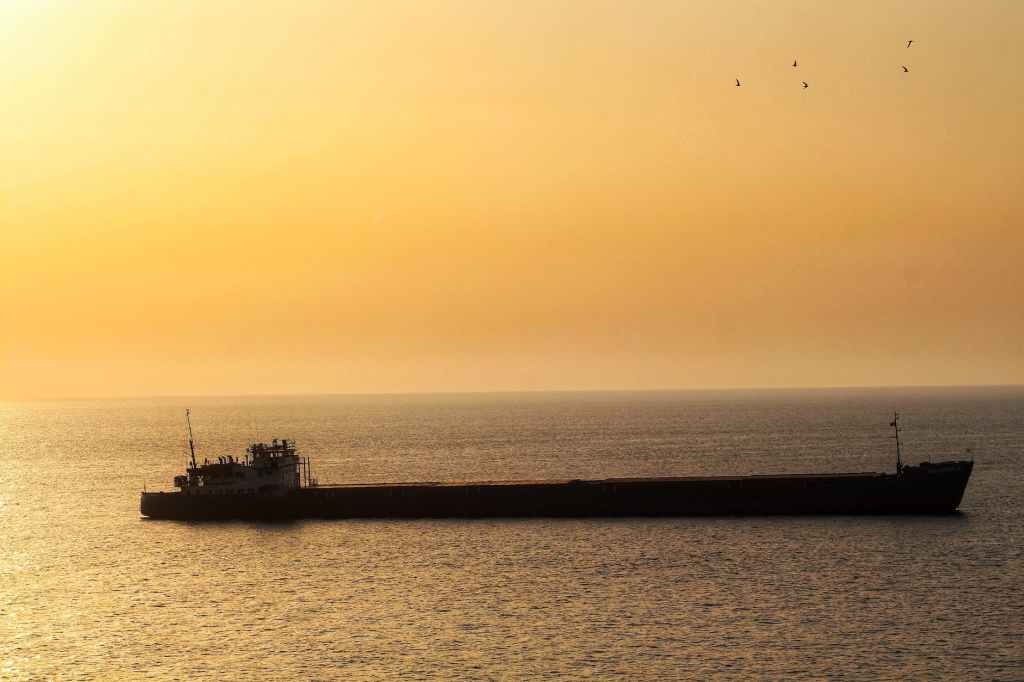
Ahoy there! Let’s cast off into the murky waters of the maritime world where the “Dark Fleet” lurks. It’s a nautical narrative of ghost ships, playing a high-stakes game of hide and seek with regulations and reputations on the line.
The Ghosts of the Sea: Understanding the “Dark Fleet”
These specters of the sea refer to tankers that cloak their activities in mystery, often by disabling their AIS, indulging in deceptive shipping practices like GNSS manipulation, and tampering with ID and location data to transport cargo like crude oil and chemicals under the radar[1]. It’s the maritime equivalent of going incognito in a world that increasingly demands transparency.
The Old Guard of the Ocean
The vessels of the Dark Fleet aren’t shiny new titans of the trade; they’re more like the old salts of the sea, with many over 15 years of age and beyond their scrapping date. Some haven’t seen an inspection in ages, with maintenance that’s as substandard as a landlubber’s knot-tying skills[2].
Sanctions, Safety, and the Seas
The International Union of Marine Insurers (IUMI) casts a spotlight on these shadowy vessels, noting that their sanctions-evading antics pose new threats not just to the insurance sector, but also to maritime safety and the environment[3]. It’s a rising tide of risk, with the dark fleet swelling to a flotilla of 300 to 600 tankers, according to the IMO4.
The Tarnished Reputation
Columnist Michael Grey waves a warning flag about the impact this sanction-busting fleet has on the industry’s safety reputation. The tanker sector, once the jewel in the crown of ship operating excellence, now faces a growing stain as these vessels, often under flags of convenience, flout regulations with abandon. With IMO numbers unchanged but names, ports of registry, and ownership as fluid as the seas they sail, these vessels cast a long shadow over the maritime trade[4].
What Lies Beneath
The Dark Fleet isn’t just a blip on the radar for insurers. These vessels often operate with their AIS transponders turned off, leaving them invisible to the tracking systems that help prevent collisions and spills. It’s like sailing blind into a storm, and the potential for disaster looms as large as a rogue wave[2].
A Challenge to the Clean Seas
In a world increasingly focused on environmental stewardship, the Dark Fleet represents a rogue element undermining efforts to keep our oceans clean. With incidents already recorded, such as the explosion of the tanker Pablo, the environmental and reputational risks are as clear as a starlit night at sea[1].
The Murky Future
So, what’s on the horizon? The shipping industry is at a crossroads, where it must navigate the choppy waters of regulations and reputation. With the Dark Fleet’s disregard for the rules, the legitimate players may find themselves having to bail out more than just water but the sector’s reputation too.
The message in the bottle here is clear: for the maritime industry to maintain its course towards sustainability and safety, it needs to shine a light on these dark practices and steer clear of the murky waters they inhabit. The Dark Fleet’s siren song may be tempting for quick profits, but it’s a tune that could lead to treacherous waters for the entire industry.
References:
- “Navigating in the Dark: The Increasing Risks of the ‘Dark Fleet’.” Lloyd’s List, 2022. Lloyd’s List.
- “The Dark Fleet: The Shady Ships That Are Driving Illegal Fishing.” Mongabay, 2022. Mongabay.
- “The Proliferation of the Dark Fleet and its Implications for Maritime Security.” Center for Advanced Defense Studies, 2022. C4ADS.
- Grey, Michael. “Dark Fleet and Tanker Sector Reputation Risk.” Seatrade Maritime, 2022. Seatrade Maritime.
 Charlie de Carbon
Leave a comment