
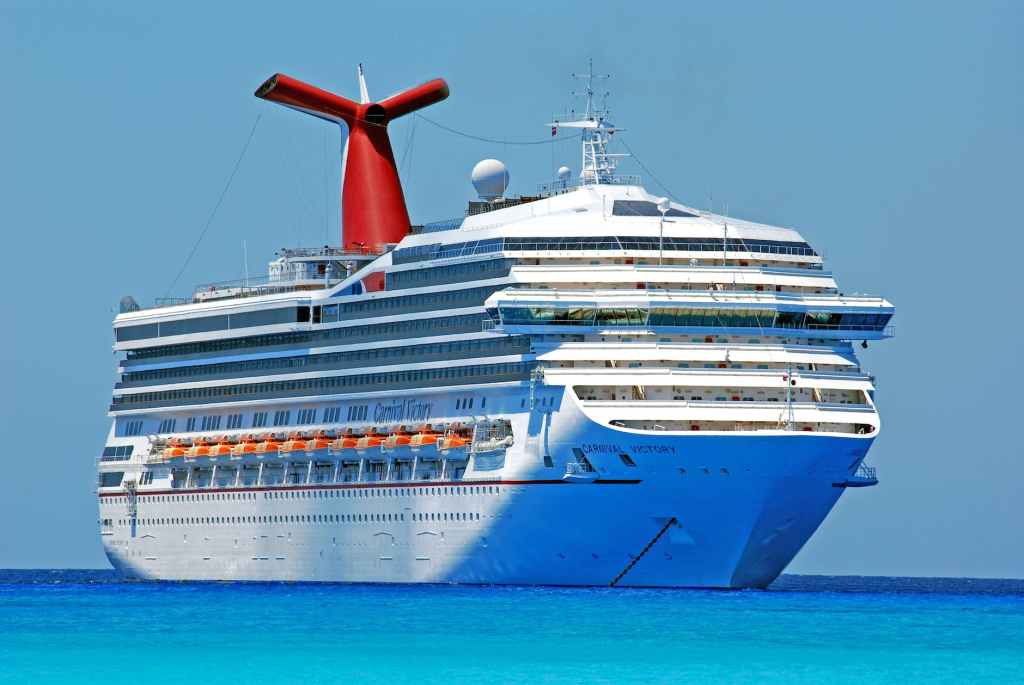
In the world of maritime regulations, few topics have stirred as much debate as the Carbon Intensity Indicator (CII). Designed to reduce greenhouse gas emissions, CII has been at the center of controversy, particularly when it comes to its applicability to different types of vessels, such as cruise ships.
The CII measures CO2 emissions per transport work. It’s calculated as the ratio of a ship’s CO2 emissions to its capacity and distance traveled. The formula is CII = CO2 emitted / (Capacity × Distance traveled).
Cruise ships present a unique challenge. They typically operate at lower speeds and spend considerable time in ports, which skews their CII scores unfavorably. The crux of the issue lies in the ‘Distance traveled’ component of the formula, which doesn’t account for time spent providing onboard services while stationary – a significant part of a cruise ship’s operation.
A key point of contention is that the CII doesn’t correlate well with the work rate of all ship types. For instance, cargo ships, which spend most of their operational time in transit, have a fundamentally different work profile compared to cruise ships. This discrepancy leads to an inequitable application of the CII standards.
One potential solution is to amend the CII formula to include the power load factor of the machinery. This would balance the formula by considering the fuel consumption relative to the power delivered, providing a more equitable measure for cruise ships. The revised formula could look something like this:
CII = CO2 emitted / (Capacity × Distance traveled × Power Load Factor).
This amendment aims not just to level the playing field for different ship types but also to encourage better performance monitoring and optimization of fuel use and power delivery.
It’s crucial to remember that the goal isn’t merely to improve CII scores. The ultimate aim is to enhance overall shipping efficiency. By adopting a more nuanced formula, we can encourage the industry to focus on performance monitoring and optimization strategies that genuinely reduce fuel consumption and emissions.
While the CII serves a critical role in steering the maritime industry toward lower emissions, its one-size-fits-all application raises questions, especially for cruise ships. Amending the formula to consider the power load factor could be a step toward a more equitable and effective system, aligning with the broader goal of sustainable maritime operations.
In the pursuit of cleaner seas, it’s not just about meeting targets but about understanding the diverse operational realities of different vessels and finding solutions that drive real, measurable change.
 Charlie de Carbon
Leave a comment