
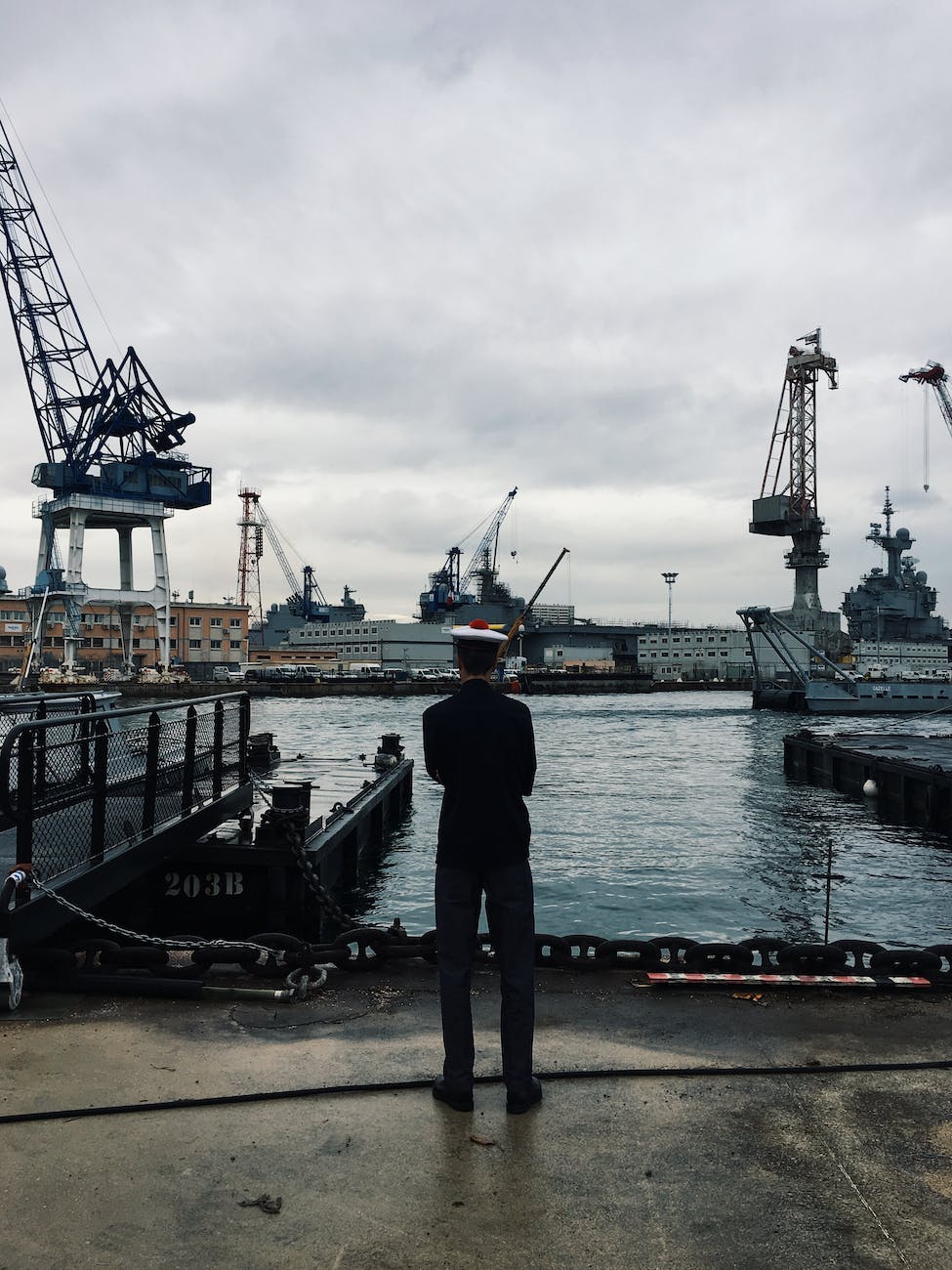
As the waves of time have ebbed and flowed, the once formidable UK shipbuilding industry now finds itself navigating through challenging waters. Historically a titan of maritime construction, the industry has witnessed a gradual decline over the past five decades, largely due to fierce competition from nations boasting lower costs and larger scale operations. However, in the face of these challenges lies an unprecedented opportunity for the UK to steer its shipbuilding heritage towards a new horizon of innovation and sustainability.
The UK’s shipbuilding legacy, though diminished, is not lost. Scattered across the country are dormant shipyards, silent witnesses to a bygone era of maritime dominance. These sites, currently underutilized, are ripe for transformation. They can become the breeding grounds for cutting-edge research and development in shipbuilding, particularly in tackling the scaling challenges associated resistance, drag, wind force and hydrodynamic model studies.
The idea is bold yet straightforward: to repurpose these historical shipyards into what could be termed ‘Shadow Shipyards.’ These facilities would focus on the construction and testing of modular, scaled-down versions of ships – perhaps at 1/2 or 1/4 scale. Such an approach would not only provide invaluable insights into the real-world performance of ship designs but would also address the long-standing issues that arise when translating model tests to full-scale constructions.
The focus would not be merely on building and testing but on redefining the essence of shipbuilding towards a greener and more efficient future. By integrating these facilities with renewable energy sources like wind, tidal, and wave power, the shipyards would not only reduce their environmental footprint but also contribute to the development of sustainable maritime technologies.
This vision extends beyond the revitalization of physical infrastructures. It taps into the rich pool of skills and expertise that still resides within the communities surrounding these shipyards. By re-skilling and upskilling the existing workforce, the UK can reignite the passion for maritime craftsmanship, this time with a focus on advanced shipbuilding techniques and environmental stewardship.
The implementation of this vision requires a collaborative approach, bringing together the government, academia, and the private sector. Investment in these shadow shipyards could stimulate local economies, creating new jobs and opportunities in regions that have long been neglected. Furthermore, it positions the UK at the forefront of maritime innovation, contributing significantly to the global effort in reducing the carbon footprint of the shipping industry.
The transformation of the UK’s shipbuilding industry is not just about preserving a legacy; it’s about reimagining and reshaping it to meet the demands of the modern world. By embracing innovation and sustainability, the UK can once again hoist its sails high in the global shipbuilding arena, leading the charge towards a greener, more efficient future in maritime transport.
 Charlie de Carbon
Leave a comment