
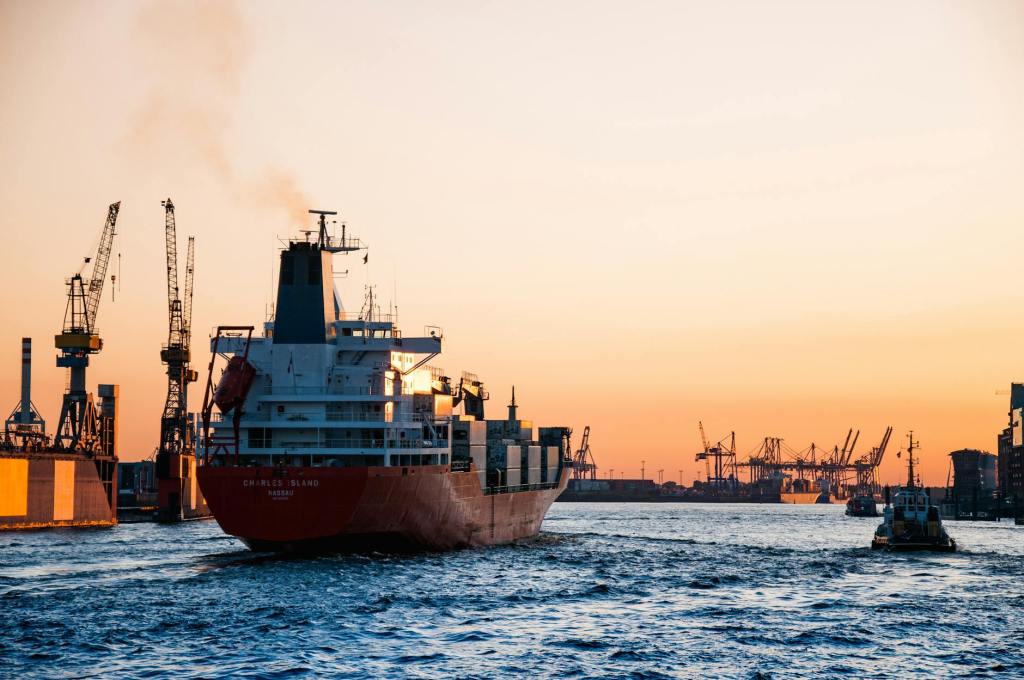
Ahoy there, maritime enthusiasts and eco-voyagers! It’s Charlie de Carbon, back at the helm to steer us through the swirling waters of carbon capture technology in the shipping industry. With fresh insights from the forefront of research, let’s navigate the potentials and pitfalls of this intriguing approach to decarbonization.
In today’s rapidly evolving environmental landscape, the maritime industry stands at the forefront of a pivotal shift towards sustainability and carbon neutrality. As regulatory bodies and global stakeholders intensify their focus on reducing greenhouse gas emissions, the interest in innovative solutions like onboard carbon capture (OCC) is not just growing, it’s becoming a central part of the conversation on maritime decarbonization.
Recent advancements in carbon capture technology have made the prospect of OCC more viable than ever before. Innovations in the efficiency and scalability of carbon capture systems are providing promising glimpses into a future where ships can significantly reduce their carbon footprint.
Consider also that the maritime industry is under increasing pressure from international regulations aimed at curbing emissions. The International Maritime Organization (IMO)’s ambitious strategy to halve greenhouse gas emissions from ships by 2050 has ignited a search for feasible, impactful solutions. Carbon capture onboard vessels represents a tangible step towards achieving these goals, offering a bridge between current fossil fuel reliance and the future of alternative, greener energy sources.
Not to discount the growing public and stakeholder demand for cleaner shipping practices. Consumers, investors, and environmental groups are calling for more aggressive action on climate change, pushing companies to adopt cleaner technologies and reduce their environmental impact. Shipboard carbon capture and sequestration, with its potential to make immediate reductions in CO2 emissions, is capturing the attention of industry leaders looking to demonstrate their commitment to a sustainable future.
The Mærsk Mc-Kinney Møller Center for Zero Carbon Shipping’s recent study casts a spotlight on onboard carbon capture (OCC) as a beacon for the maritime industry’s quest for sustainability. This comprehensive analysis delves into OCC’s viability across container, bulk, and tanker vessels, exploring its integration in both newbuilds and retrofits. The study emphasizes OCC’s role alongside energy efficiency and alternative fuels, highlighting the technology’s mid- to long-term potential for decarbonizing our seafaring vessels. Yet, the waters are choppy, with considerations of commercial viability, alternative fuel competition, and regulatory requirements shaping the course ahead .
Charting a parallel course, The Maritime Executive shines a light on the European Union-funded EverLoNG project, led by the Hague-based research institute TNO. This ambitious endeavor aims to hoist the sails on commercial ship-based carbon capture by 2025, focusing on LNG-fueled ships. The project’s goals are as audacious as they are essential: optimizing carbon capture technology for maritime application, integrating it seamlessly into existing ship and port infrastructure, and aiming for a CO2 capture rate of up to 90% at a cost that won’t scuttle the shipowners’ finances. EverLoNG’s collaborative spirit, uniting 16 partners across the globe, underscores the shared commitment to a greener maritime future .
While the prospect of carbon capture at sea offers a glimmer of hope, the voyage is fraught with challenges. The significant CO2 abatement costs, the energy penalty of carbon capture systems, and the loss of cargo space for CO2 storage tanks are but a few of the squalls on the horizon.
The devil, as they say, is in the details, or in this case, the CO2. Where does this captured carbon go once we’ve snared it? Storage and utilization questions loom like a fog on the horizon, with answers as elusive as a ghost ship.
Moreover, the specter of increased fuel consumption due to OCC’s energy demands casts a long shadow over its feasibility. Retrofitting a global fleet with this nascent tech feels akin to turning the Titanic; it’s a monumental task fraught with financial and logistical icebergs .
However, the economic implications of carbon capture in shipping cannot be overlooked. With the potential introduction of carbon pricing and emissions trading systems for the maritime sector, technologies that can reduce or eliminate CO2 emissions could also offer significant financial benefits or avoidances of penalties for shipping companies.
In this landscape of technological innovation, regulatory mandates, public pressure, and economic incentives, exploring the potential of carbon capture and sequestration in the maritime industry is not just relevant, it’s crucial. As interest in OCC gains momentum, now is the moment to engage in a nuanced discussion about its role in the maritime industry’s journey towards decarbonization.
As we chart the course towards a sustainable maritime future, it’s clear that carbon capture, while promising, is but one piece of the puzzle. The true north lies in a holistic approach that encompasses not only technological innovation but also a fundamental shift in how we power our vessels. Alternative fuels, energy efficiency, and perhaps most importantly, a collective will to invest in a cleaner maritime future, are the stars by which we must navigate.
So, as we ponder the role of carbon capture in shipping, let’s remember that our ultimate destination is not just to reduce emissions but to reimagine the very foundations of maritime propulsion. The journey ahead is long, and the seas uncertain, but with innovation as our compass and sustainability as our star, we can sail towards a future where the only traces we leave in our wake are those of a healthier planet.
Until next time, fair winds and following seas, as we continue our quest for a greener, cleaner maritime world.
- Mærsk Mc-Kinney Møller Center for Zero Carbon Shipping. The role of onboard carbon capture in maritime decarbonization [Internet]. Copenhagen: Mærsk Mc-Kinney Møller Center for Zero Carbon Shipping; 2022 Sep. Available from: https://www.zerocarbonshipping.com/publications/the-role-of-onboard-carbon-capture-in-maritime-decarbonization/
- The Maritime Executive. Ship-based carbon capture study seeks to commercialize system by 2025. Fort Lauderdale: The Maritime Executive; 2022 Apr. Available from: https://www.maritime-executive.com/article/ship-based-carbon-capture-study-seeks-to-commercialize-system-by-2025
 Charlie de Carbon
Leave a comment