
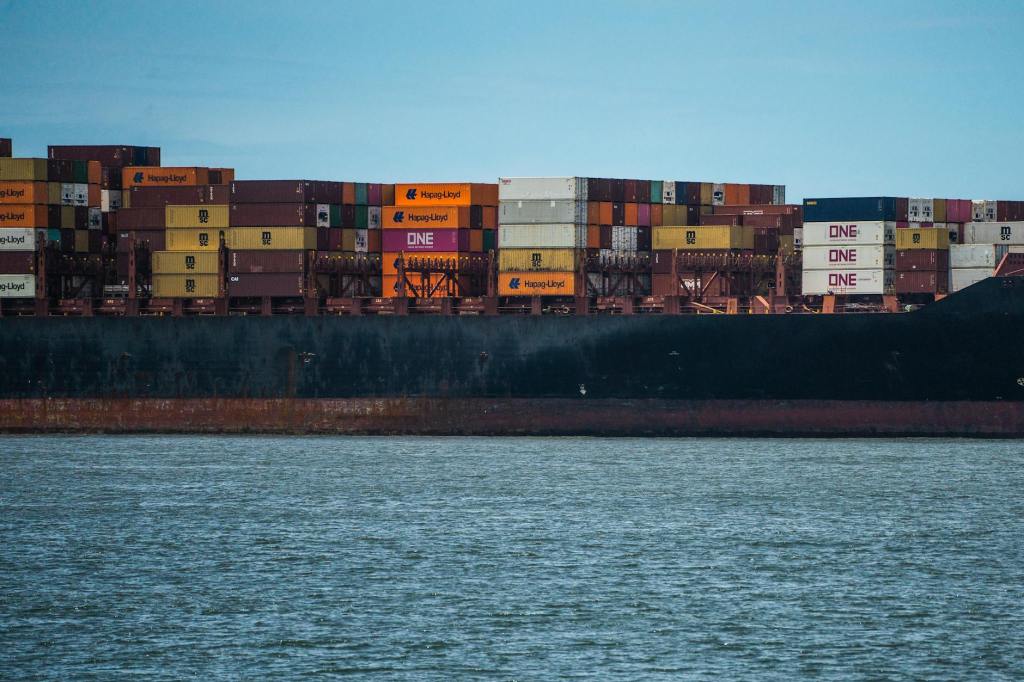
Shipping’s decarbonisation debate has reached a fever pitch. The recent high-profile endorsements of a global carbon levy by major flag states Liberia and Panama might, at first glance, look like a game changer. But if you dig a bit deeper, there’s a risk that a compromised, low rate levy would do more to maintain the status quo than it would to transform the maritime industry.
The Problem With a Low Levy
The rationale behind backing a low levy (think $18 per tonne of CO₂, as Liberia has suggested) is ostensibly to protect developing economies and smaller shipping concerns from soaring costs. But the real winners may be the open registries themselves, who don’t want to scare off potential customers. These flags, after all, thrive on offering cost competitive advantages, why else do so many shipowners choose them?
Yet a levy set too low won’t drive the kind of urgent action that the climate crisis demands. Shipping companies can easily absorb or pass on a nominal per-tonne charge. Meanwhile, new container vessel orders keep rolling in, most of which are still designed for conventional fossil fuels. True, some vessels are “conversion ready,” but in reality that often translates to marginal design tweaks rather than a legitimate blueprint for green fuel propulsion.
A Wider Pattern of Regulatory Arbitrage
A half-hearted carbon levy could open the door to all sorts of shell games. We’re already seeing the risk of dual taxation: FuelEU Maritime in Europe, a potential global IMO levy, and whatever other regional measures might pop up. It’s the perfect storm for loopholes and bureaucratic tangles. Shipowners could pick and choose the flags or regions with the least burdensome regulations, effectively undermining any single measure’s ability to push real decarbonisation.
On top of that, the fossil fuel industry itself isn’t playing dead; it’s doubling down on oil and gas production, especially over the next decade. A flood of cheap fossil fuels would flatten any cost signal from a token carbon levy, allowing “business as usual” to roll on, just with an added line item in the budgets for the nominal carbon price.
The Revenue Black Hole
In theory, levy revenues should fund the transition to zero-carbon shipping, everything from R&D for alternative fuels to the construction of green bunkering infrastructure. Unfortunately, shipping’s track record suggests that big sums of money can vanish into policing and administrative overhead rather than fueling (pun intended) the innovation we desperately need. Without ironclad rules on how to distribute and invest the revenues, we risk a scenario in which the cash raised doesn’t move the needle on emissions, and may even facilitate fleet expansion on old fuel technologies.
Why an Outright Fossil Fuel Ban Might Work Better
Supporters of a direct ban argue for a simple approach: align a phase-out of fossil fuel use with existing IMO targets through to 2050. Beyond that date, ships burning fossil fuels would be out of compliance and risk losing both their flag status and classification. Faced with a hard stop, the shipping industry would have no choice but to innovate and invest in zero-carbon solutions, rather than taking the easy route of paying a modest “pollution penalty.”
Yes, an outright ban faces political and logistical hurdles. We’d need to ensure the availability of alternative fuels at scale, a monumental challenge given the current supply chain. But if decarbonisation is the endgame, a clearly defined cut-off date for fossil fuels might spark the urgent capital investment we need to develop those green solutions.
The Real World Dilemma
A bigger, bolder carbon levy set at $100–$150+ per tonne might mirror the ban’s impact more closely. It could force shipowners to weigh the long-term cost of compliance against the short-term pain of building or converting to zero-carbon vessels. However, if political compromise drags the price down to a token level, the industry will likely just shrug and carry on.
The hope is that public and investor pressure, especially from environmentally conscious Gen Z, big banks leaning on ESG (Environmental, Social, and Governance) goals, and regions like the EU, can push for a more meaningful global mechanism. Time will tell if the IMO can put genuine teeth into this levy, or if it’ll remain a convenient but ineffectual side note in the larger climate story.
Where to now?
A robust, transparent carbon levy could be a critical stepping stone to a carbon-free shipping industry. But if it’s watered down or marred by exemptions and regulatory loopholes, it’ll simply prop up the status quo. By contrast, a clear, phased-out ban on fossil fuels might light a fire under the industry, forcing shipowners to adopt new technologies much sooner than they’d prefer.
Is a gently nudged, modest carbon levy better than no global agreement at all? Possibly. But make no mistake: if the levy is too weak to move the dial on fleet renewal and green-fuel adoption, it risks becoming little more than a PR exercise, and we don’t have the luxury of time. The planet is heating up, sea levels are rising, and the severity and frequency of natural catastophes is increasing. A meaningful carbon levy, or even an outright ban, may be our best chance to steer the maritime industry into the decarbonised future that we, and the ocean, deserve.
 Charlie de Carbon
Leave a comment